Designing Metal Roofs for Coastal and Hurricane-Prone Environments
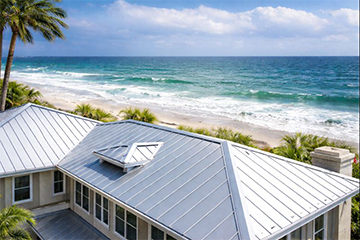
High winds, salt exposure, humidity, and extreme weather events impose sustained stress on roofing systems throughout their service life. In regions like Florida and across the Southeast, metal roofing is often chosen for its structural performance and long-term durability under demanding conditions.
When evaluating metal roofing projects in Florida, success depends on understanding how the environment interacts with material selection, panel design, and installation practices.
This guide outlines the considerations for contractors, builders, and architects when designing metal roofs for harsh coastal and storm-prone environments.
Material Selection: Steel, Aluminum, and Long-Term Durability
Material selection is one of the most critical decisions for metal roofing in coastal and hurricane-prone environments. Substrate choice, protective coatings, and finishes all influence how a roof performs over time when exposed to wind, salt, humidity, and intense UV conditions.
Steel Gauge Considerations
Both 24- and 26-gauge steel are commonly used in metal roofing applications throughout Florida and the Southeast. Thicker gauges provide increased rigidity and resistance to deformation under high wind loads, while lighter gauges may offer cost and handling advantages. Gauge selection should align with project requirements, panel profile, and structural design rather than cost alone.
Steel Substrates, Metallic Coatings, and Corrosion Resistance
In coastal environments, steel roofing performance depends heavily on the quality of its factory-applied metallic coating. Protective metallic coatings, such as galvanized (zinc) or Galvalume® (zinc-aluminum alloy), are applied during the steel manufacturing process and serve as sacrificial barriers, playing a foundational role in protecting the steel substrate from corrosion.
These metallic coatings slow oxidation by preferentially corroding before the steel substrate, extending service life when they are correctly specified and installed. However, in high-salinity environments, corrosion risk increases at panel cut edges, fastener penetrations, and areas where coatings may be damaged during fabrication or installation.
In response to the increased corrosion demands of coastal and marine-adjacent environments, some steel products are now manufactured specifically for use near saltwater exposure. These substrates incorporate enhanced metallic coating formulations and additional protective layers designed to improve corrosion resistance beyond traditional galvanized or standard zinc-aluminum coatings.
These coastal-specific steel products are intended to extend service life in high-salinity conditions where conventional coated steel may experience accelerated degradation. While they do not eliminate all corrosion risks associated with severe marine exposure, they offer an additional option for projects seeking improved durability while retaining the structural characteristics and availability of steel.
As with all steel roofing in coastal environments, proper detailing, compatible fasteners, and installation practices remain critical to overall performance. When specifying steel roofing for coastal projects, metallic coating weight, exposure severity, and expected service life should all be carefully evaluated.
Aluminum Roofing in Coastal and Brackish Environments
Thanks to its inherent resistance to corrosion, aluminum roofing panels are frequently specified for projects located directly on the coast, along bays, or near brackish water sources. Unlike steel, aluminum does not rely on sacrificial metallic coatings for protection; instead, it forms a natural oxide layer that provides long-term defense against salt-laden air, humidity, and moisture.
In environments with persistent salt exposure, such as barrier islands, waterfront properties, and marine-adjacent construction, aluminum can offer a longer service life with reduced risk of corrosion at cut edges, panel laps, and fastener locations.
Key advantages of aluminum in coastal applications include:
Excellent natural resistance to salt-induced corrosion
Reduced maintenance requirements in aggressive environments
Lighter weight, which can reduce structural load
Compatibility with stainless steel fasteners to minimize galvanic corrosion
While aluminum typically carries a higher initial material cost than steel, it is often selected for premium residential, architectural, and commercial coastal projects where longevity and durability outweigh first-cost considerations.
Paint Systems and Finish Performance
In coastal and hurricane-prone regions, the paint system is not just an aesthetic choice. High-quality finishes enhance UV resistance, color stability, and provide an additional layer of protection against environmental exposure.
Finish selection becomes increasingly important as proximity to salt exposure increases, particularly for roofs with long design lives or limited access for maintenance. Coating performance should be evaluated in conjunction with substrate choice, exposure severity, and project-specific durability expectations.
Steel vs. Aluminum: Selecting the Right Material for the Environment
Both coated steel and aluminum roofing systems are used successfully throughout Florida and the Southeast. Coated steel remains widely specified due to its structural performance, availability, and cost efficiency, while aluminum is often preferred for projects with direct salt exposure or aggressive marine conditions.
Recent introductions of steel products engineered specifically for coastal environments have improved corrosion resistance and, in some exposure conditions, may help narrow the performance gap between traditional coated steel and aluminum. These enhanced steel substrates expand material options for designers seeking improved durability while retaining the structural characteristics and familiarity of steel.
Selecting the appropriate material requires evaluating environmental exposure, design life, maintenance expectations, and overall project goals rather than relying on material cost alone.
Exposed Fastener Metal Roofing Systems in Coastal Applications
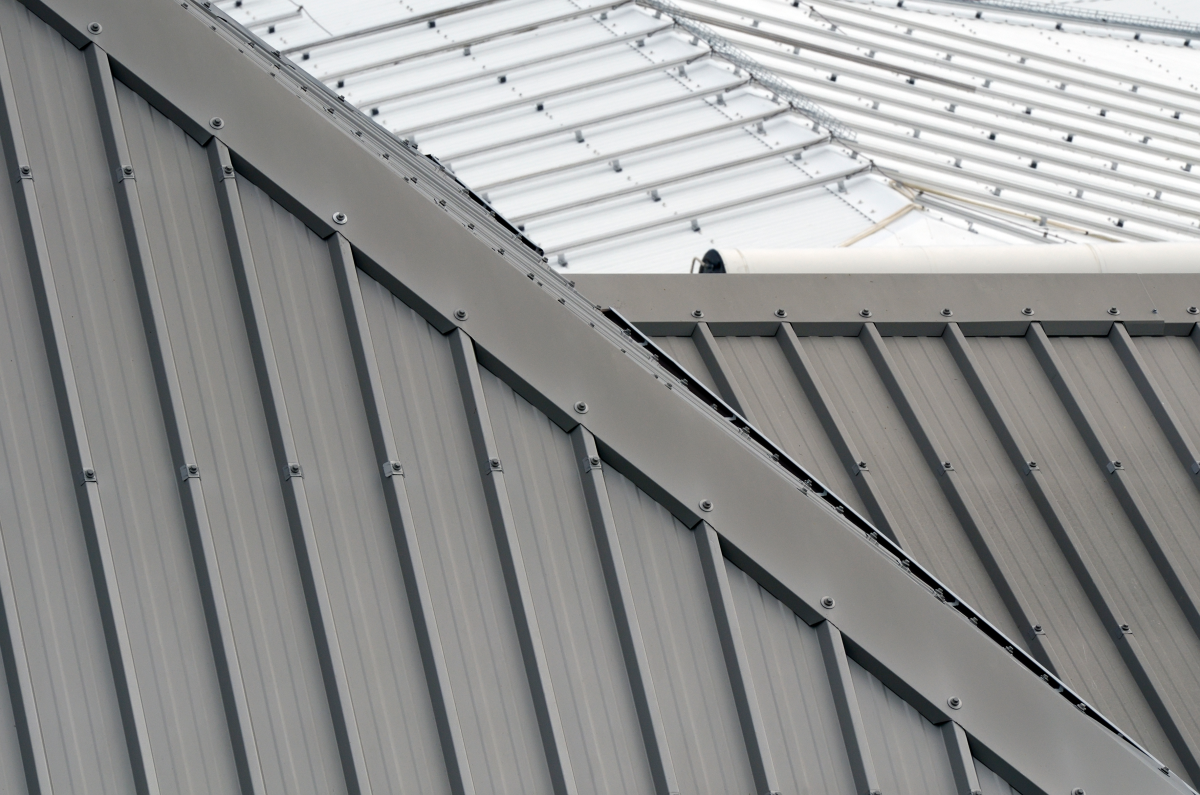
Exposed fastener panels remain widely used across metal roofing markets in Florida due to their versatility, cost efficiency, and broad availability. These systems can perform successfully in coastal and storm-prone areas when professionally designed, specified, and installed with full consideration of the environmental conditions to which they will be exposed.
In higher-salinity coastal conditions, exposed fastener systems introduce additional durability considerations due to the number of roof penetrations and the long-term performance of fasteners and washers. Fastener corrosion, washer degradation, and localized coating wear around penetrations are among the most common factors influencing service life in these environments.
For projects located near the coast, bays, or brackish water, material selection, fastener type, and installation quality become increasingly important. Stainless steel or enhanced corrosion-resistant fasteners, compatible washer materials, and appropriate fastening patterns help reduce long-term risk. Regular inspection and maintenance should also be anticipated as part of the roof’s lifecycle.
When environmental exposure is moderate and system limitations are understood, exposed fastener panels can provide reliable performance in coastal regions. However, in areas of direct salt exposure or where long design life and minimal maintenance are priorities, alternative system types may warrant consideration.
American Metal Supply manufactures several exposed fastener profiles used in residential, commercial, and post-frame construction, including:
✓ Have something in mind?
Advantages of Exposed Fastener Systems
Efficient installation and simplified panel attachment
Cost-effective solutions for residential, agricultural, and light commercial construction
Proven structural performance when engineered fastening guidelines are followed
Broad availability of profiles and panel lengths
In coastal and hurricane-prone regions, exposed fastener systems require additional attention to detail. Fasteners must be compatible with the panel material to minimize galvanic corrosion, and washers must be capable of withstanding prolonged UV exposure and salt-laden air without premature failure.
Proper panel overlap, sealing at sidelaps and endlaps, and adherence to tested fastening schedules are critical to limiting water intrusion during wind-driven rain events. In severe exposure zones, designers should evaluate whether increased maintenance expectations align with the project’s performance goals.
When designed and installed in accordance with engineered specifications, exposed fastener systems can perform reliably in demanding coastal conditions.
Exposed Fastener Metal Roofing Systems in Coastal Applications
Concealed Fastener (Standing Seam) Metal Roofing Systems for Enhanced Weather Protection
Concealed fastener metal roofing systems are often specified in coastal and higher-exposure environments due to their ability to reduce penetration points and improve long-term weather resistance. By eliminating exposed fasteners from the panel surface, these systems reduce common corrosion and maintenance concerns associated with salt exposure.
Snaplock and mechanical seam standing seam systems secure panels using concealed clips or interlocking seams that enable controlled thermal expansion while maintaining continuous contact with the substrate. This design supports both wind uplift performance and long-term durability in demanding environments.
American Metal Supply offers several concealed fastener options, including:
✓ Have something in mind?
Performance Benefits in Storm-Prone Regions
Fewer exposed penetrations reduce pathways for water intrusion
Improved long-term corrosion performance compared to surface-fastened systems
Enhanced uplift resistance when professionally installed to tested specifications
Reduced maintenance requirements over the roof’s service life
Clean architectural appearance favored in residential and commercial designs
When selecting options for a metal standing seam roofing system in Florida, seam height, clip spacing, panel length, and substrate selection must be carefully coordinated to balance structural performance, thermal expansion requirements, and environmental exposure.
Wall, Soffit, and Architectural Metal in Coastal Design
Roof performance is closely tied to the broader building envelope. Wall panels, soffits, and architectural metal components are exposed to the same environmental forces as the roof itself, including wind-driven rain, salt-laden air, and prolonged UV exposure.
Wall systems and soffit panels must resist corrosion while maintaining secure attachment during wind-driven rain conditions. Architectural details, such as vertical reveals or board-and-batten profiles, introduce additional fastener and corrosion considerations that must be addressed during design.
Consistent material selection and fastening strategies across roof and wall applications help ensure cohesive long-term performance. American Metal Supply’s Flush Wall and Soffit Panel and 3/4 inch Board and Batten Panel are designed to support both functional requirements and architectural expression in demanding coastal environments.
✓ Have something in mind?
Installation Practices That Matter Most in Hurricane-Prone Regions
Even the best materials can underperform if installation practices fall short. In coastal and hurricane-prone environments, installation quality directly influences system longevity.
Key factors include:
Engineered fastening patterns aligned with system testing
Proper substrate preparation and attachment
Accurate trim fabrication and edge condition management
Adherence to manufacturer documentation and approved installation methods
Metal roofing installations in Florida benefit from close coordination between design intent and field execution to ensure the system performs as intended under extreme conditions.
Code Compliance and Testing Considerations
vary by area, hurricane-prone regions place particular emphasis on wind uplift resistance and system performance.
System-level testing and documented approvals provide confidence that a roofing assembly can withstand design pressures. Evaluating the complete roof system, rather than individual components in isolation, is critical when specifying metal roofing for severe weather environments.
Industry guidance on installation and wind resistance can be found through the National Roofing Contractors Association and Metal Construction Association.
Designing for Long-Term Performance in Harsh Environments
In coastal and hurricane-prone regions, long-term performance should guide design decisions more than initial cost. Corrosion exposure, maintenance requirements, and weather resistance all influence lifecycle value.
Metal roofing systems perform best when materials, profiles, and installation practices are selected with environmental demands in mind. This includes evaluating substrate type, corrosion exposure, and expected maintenance over the roof’s design life. Thoughtful design reduces risk for building owners, contractors, and designers while delivering roofs that continue to perform at their best when conditions are at their worst.
For project-specific guidance or assistance evaluating metal roofing systems for demanding environments, contractors and designers can work directly with experienced manufacturers who understand real-world performance requirements.